Post-production teams usually move raw 4K and 8K footage through a chain, not one transfer: cards are offloaded and verified, camera originals are copied to protected storage, proxies or dailies reach editorial quickly, and originals follow by shared storage, online transfer, shipped media, or a hybrid. Choose the transport separately for each hop based on measured bytes, both endpoints, deadline, and verification needs.
Start with a verified offload
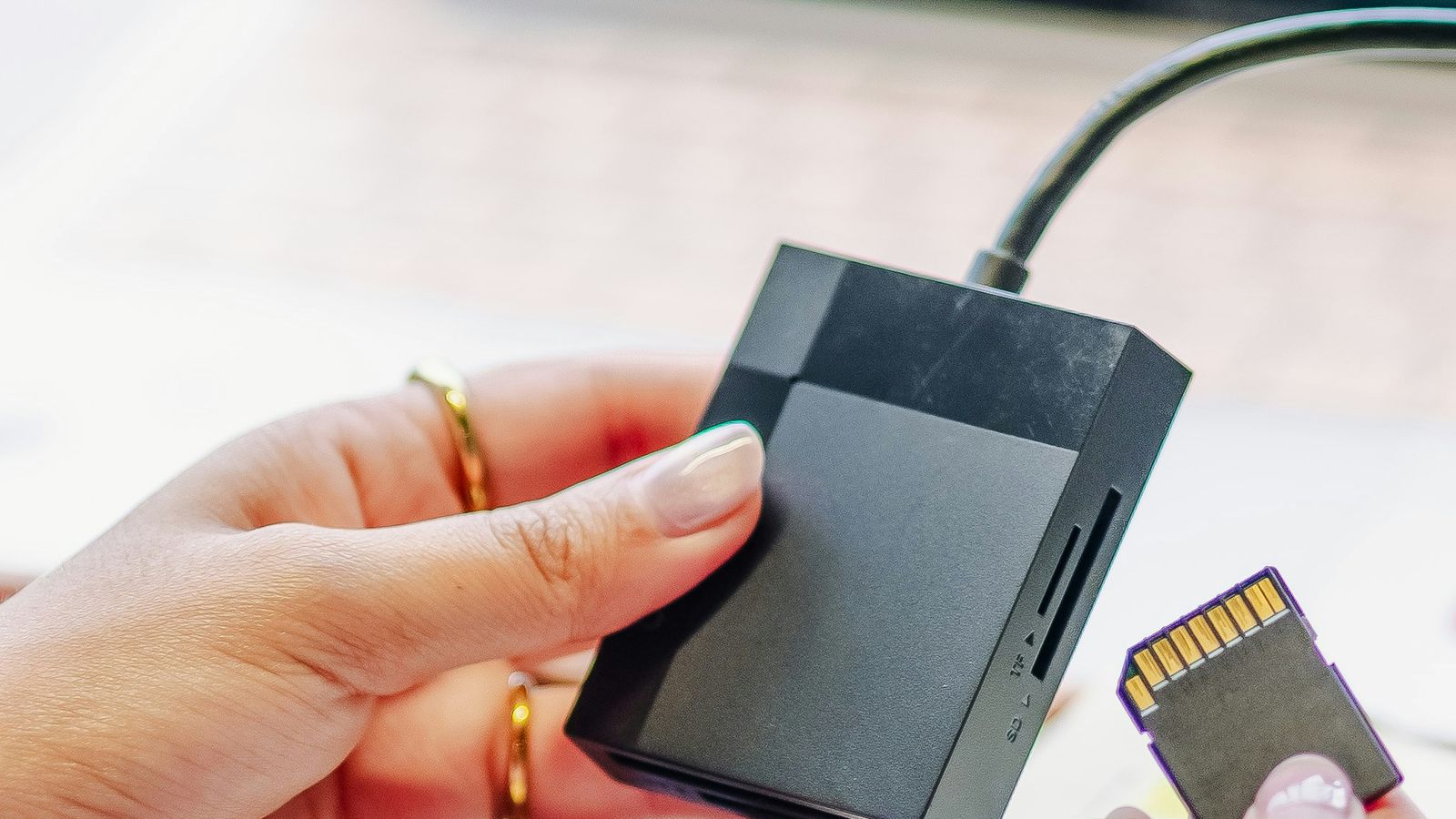
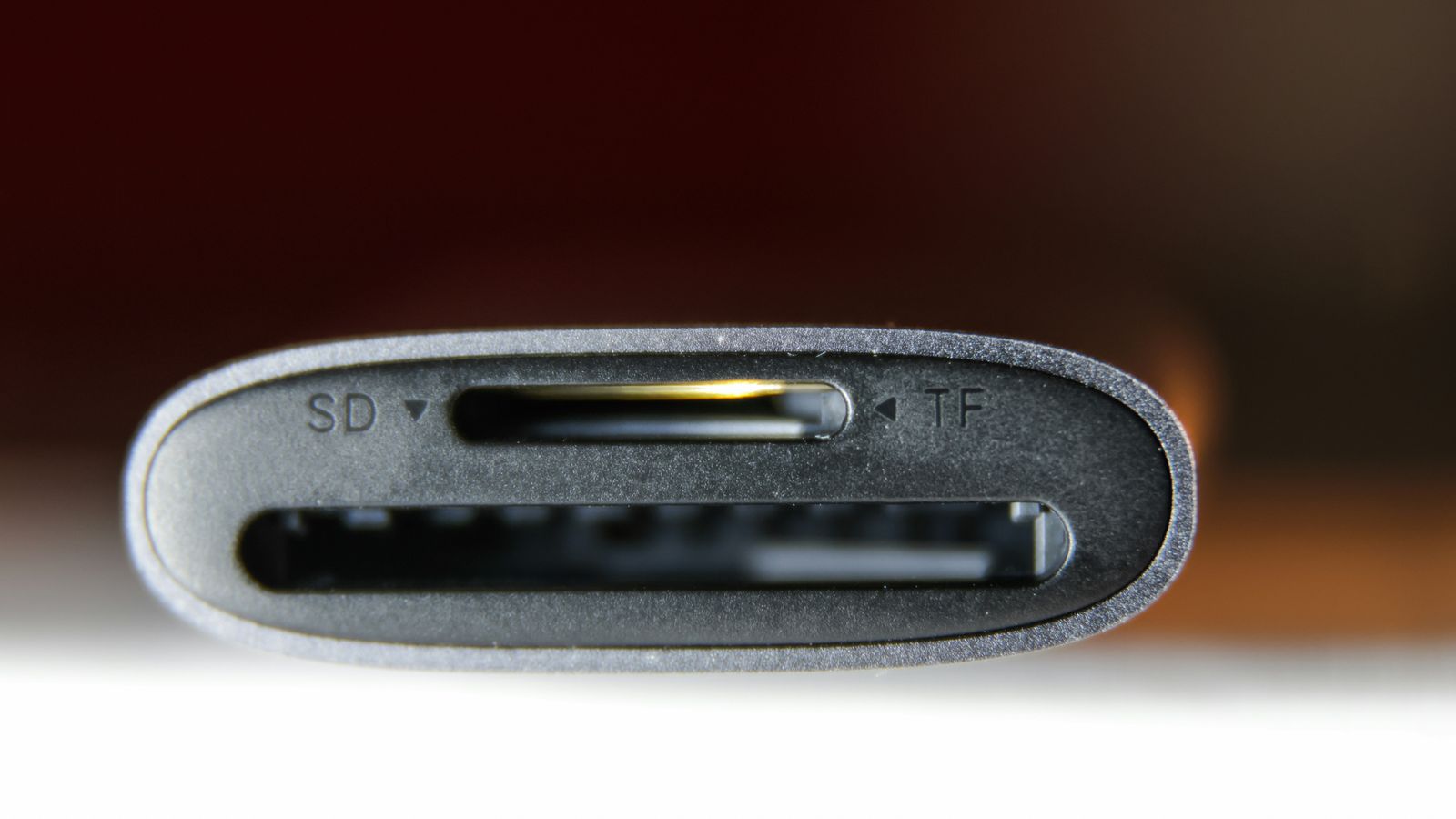
The first goal is preservation, not speed to the editor. A DIT or data wrangler should copy each card to at least the production's required destinations, preserve the camera folder structure, and verify the copies before a card is cleared. Record camera, reel, date, file count, byte count, and checksum results in a manifest.
“4K” and “8K” do not predict the package by themselves. UHD uses 3840×2160 and 7680×4320, while cinema workflows commonly use 4096×2160 and 8192×4320. Codec and frame rate then create a wide range. Apple lists ProRes 422 HQ at a target 754 Mb/s for 4096×2160/24p, or about 339 decimal GB per hour, and 3,017 Mb/s for 8192×4320/24p, or about 1,358 GB per hour.
| Recorded format | Published assumption | Approximate volume | |---|---:|---:| | ProRes 422, 4096×2160/24p | Apple target 503 Mb/s | 226 decimal GB/hour | | ProRes 422 HQ, 4096×2160/24p | Apple target 754 Mb/s | 339 decimal GB/hour | | ProRes 422 HQ, 8192×4320/24p | Apple target 3,017 Mb/s | 1,358 decimal GB/hour | | ARRIRAW ALEXA LF Open Gate | ARRI 20.9 MB/frame | 1.80 decimal TB/hour |
The ProRes figures are theoretical conversions from vendor target bitrates: GB/hour = Mb/s × 3,600 ÷ 8 ÷ 1,000. Actual files can vary, and ARRIRAW uses ARRI's published frame-size calculation. Audio, reports, sidecars, proxies, container overhead, and backups increase the practical footprint.
Send first-use media first
Editorial may not need every original before work starts. Adobe defines proxies as lower-resolution, lightweight copies that can be attached to originals for editing, then replaced by full-resolution media for finishing. Send the project, reports, audio, and correctly named proxies first when that unblocks the cut. Originals still need a controlled route to conform, color, VFX, and final delivery.
For example, six recorded hours of 4K ProRes 422 HQ are about 2.03 TB before supporting files. At 500 Mbps, the current transfer model estimates 10 h 6 m for one network leg. The model uses decimal TB and adds a 12% planning allowance; it is not measured throughput or a delivery promise.
Choose the transport for each hop
On-premises shared storage is usually the working center for a facility. Fast SAN or NAS access avoids repeatedly copying active media between suites, but remote access adds WAN, identity, and support constraints.
Online delivery works well between connected sites and remote editors when the complete upload-plus-download path fits the schedule. Use a desktop or managed transfer workflow with queue state, ETA, logs, access controls, and verification. Test the source read rate, sender upload, recipient download, and destination write rate. See the remote-footage transfer guide and the post-production transfer workflow.
Shipped drives remain rational when connectivity is absent or too slow. Count copy-to-drive, packaging, carrier cutoff, transit, copy-off, and verification—not courier transit alone. Microsoft positions current Azure Data Box devices for limited-connectivity datasets above 40 TB, with 120 TB and 525 TB usable options. That is product guidance, not a universal crossover. Compare your path with the shipping-versus-transfer guide.
Hybrid delivery is often strongest: send proxies and urgent assets online, while originals move online in the background or travel on verified media. This separates “when can editorial begin?” from “when are all originals present?”
Close the loop at editorial
A handoff is complete only after the recipient compares the manifest, verifies integrity, opens representative clips, and ingests media into the intended storage. Keep source copies until acceptance. Name an owner for exceptions and record which version was accepted. The delivery-night checklist turns those checks into an operating routine.
Where TeraAirlift fits
TeraAirlift is a Windows-first desktop operations console for the online-delivery hop. It supports file and folder queues, progress and ETA, cancellation, retry-friendly operations, history, diagnostics, recipient-controlled delivery, and SHA-256 integrity verification. It does not replace shared storage or archives, guarantee throughput, or make shipping obsolete. Teams can review the post-production file-transfer workflow after mapping the full pipeline.
For the size drivers behind this workflow, read why raw video files grow, 4K storage requirements, and 8K storage requirements.